Vape Culture: Examining the Emergence of Vaping in Contemporary Society
Vape culture has emerged as a prominent phenomenon within younger generations, driven by a desire for healthier alternatives and diverse flavor options. Social platforms magnify this phenomenon, depicting vaping as a widely embraced option. However, the health implications remain contentious, raising questions about safety. As vape retailers develop into neighborhood meeting points, the characteristics of this movement remain in constant flux. Where is this rapidly developing culture headed?
What Is Driving People to Switch to Vaping?
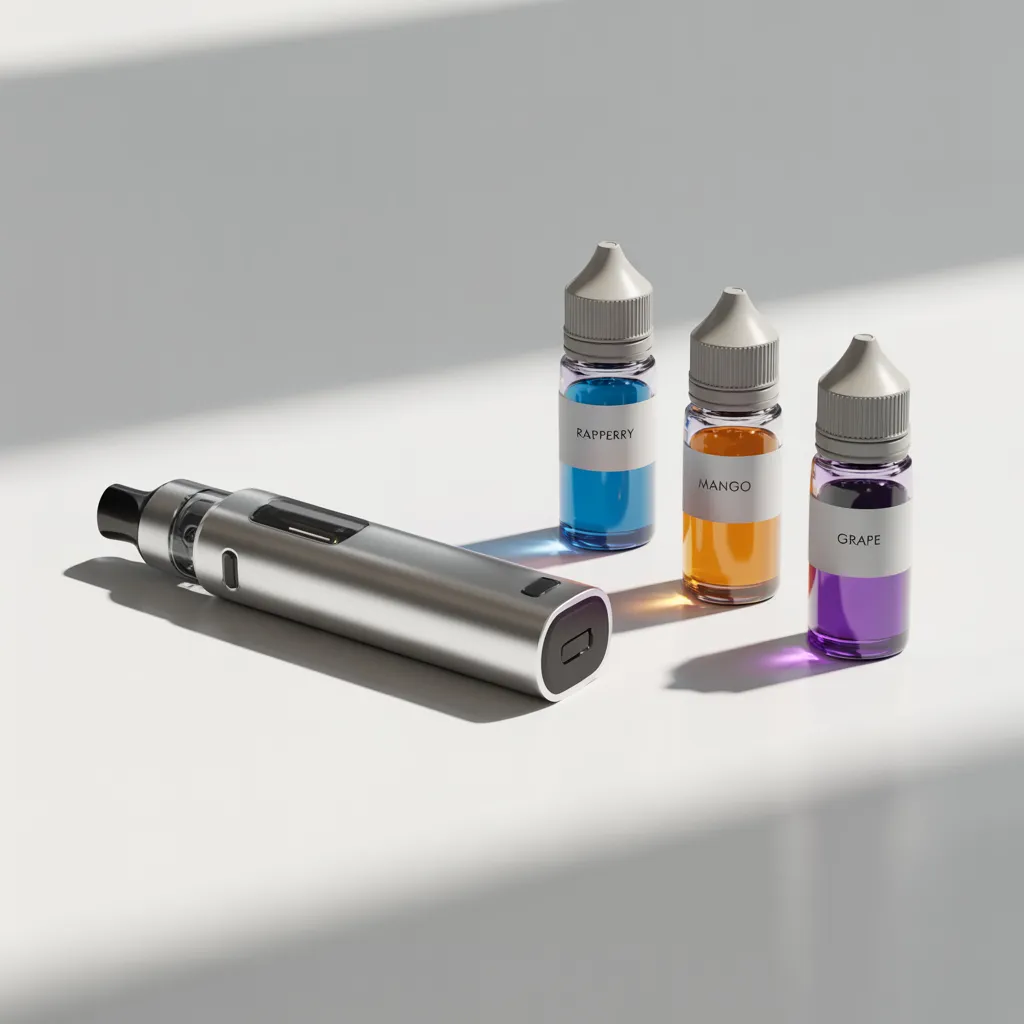
As awareness of the health risks associated with traditional smoking grows, many individuals are opting for vaping as a perceived safer alternative. This transition is fueled by several contributing elements, including the appeal of flavors and customizable options that vaping devices provide. A great number of users enjoy the diverse flavor selections, extending from fruit-based to dessert-inspired varieties, enhancing the experience beyond what conventional tobacco provides. Moreover, vaping is commonly perceived as a more socially embraced habit, particularly within younger populations. The advanced technology incorporated into vaping devices further provides a measure of control over nicotine use, drawing in those who wish to decrease their consumption over time. In addition, the belief that vaping is less disruptive and produces fewer lasting odors than cigarette smoking adds to its growing appeal. As a result, a diverse range of individuals, from former smokers to those new to nicotine, are increasingly making the switch to vaping.
Is Vaping Actually Safe? The Wellness Debate?
When comparing the safety of vaping to traditional smoking, what do we find? This topic has generated significant discussion among medical experts and everyday people. Even though vaping is commonly presented as a less harmful substitute for smoking, the actual situation is considerably more complicated. E-cigarettes typically contain fewer toxic substances than traditional cigarettes, which could theoretically reduce some health risks. However, vaping still introduces harmful chemicals into the body, including nicotine, which can lead to addiction and potential cardiovascular issues.
Recent studies have highlighted concerns about the prolonged consequences of inhaling aerosolized substances, particularly since many ingredients in e-liquids remain unstudied. In addition, cases of vaping-related lung injuries have come to light, compounding the existing concerns about its safety. Ultimately, while vaping might carry fewer hazards than traditional smoking, it is not without its dangers, demanding thoughtful evaluation from both users and policymakers.
Who Is Embracing the Vaping Trend?
Who is drawn to the vaping trend? A broad spectrum of individuals is drawn to vaping, encompassing a wide range of demographics and backgrounds. Younger individuals, especially those between their late teens and early twenties, commonly explore options beyond traditional tobacco products, considering vaping a contemporary lifestyle decision. Many are motivated by the perception that vaping is less harmful while providing a personalized experience with diverse flavors and nicotine strengths.
Additionally, previous smokers moving toward vaping represent a significant demographic. They may see it as a means to reduce nicotine consumption while still enjoying the act of inhaling. Some individuals are also driven by curiosity, as the communal nature of vaping draws in those seeking to bond with others or discover new experiences. The trend's accessibility, combined with its perceived novelty, continues to draw a broad spectrum of participants into the world of vaping.
The Way Social Media Influences Vape Culture
What role does social media play in shaping vape culture? Social media platforms have become pivotal in promoting and normalizing vaping among various demographics. Via eye-catching visual content, influencers portray vaping as a lifestyle option, routinely stressing its aesthetic qualities and social elements. Dedicated hashtags and vaping challenges build a community atmosphere, inspiring users to share their encounters and product preferences. Additionally, platforms like Instagram and TikTok allow users to produce and disseminate tutorials, vape tricks, and product reviews, enhancing the visibility of vaping products and brands.
This constant interaction fosters an environment where vaping is not just a habit but a form of self-expression. The pervasive influence of social media magnifies patterns, leading to quick transformations in consumer preferences. Consequently, social media acts as a double-edged sword, both promoting awareness of vaping and perhaps embellishing the activity, particularly among a younger generation.
The Ways Vaping Shapes Lifestyle Choices
Vaping has become a significant factor in shaping contemporary lifestyle choices, impacting a wide range of aspects from social dynamics to personal expression. For numerous individuals, vaping functions as a social bridge, encouraging bonds in both informal and formal contexts. Engaging in vaping commonly produces a mutual experience among its users, nurturing community relationships and defining expectations around group interactions.
In addition, vaping has transformed personal identity for some individuals, separating them from traditional smokers or non-smokers. The range of flavors, devices, and brands enables people to communicate their individual style, promoting a sense of uniqueness.
Moreover, wellness perspectives associated with vaping have driven behavioral changes; some users see it as a safer substitute for cigarettes, while some incorporate it within wellness and lifestyle discussions. In the end, vaping impacts behaviors connected to socializing, self-expression, and health, illustrating its profound impact on present-day living habits.
Vape Shops: Social Centers for Vaping Fans
Within the ever-changing world of vaping culture, vape shops have become important social centers for vaping explore enthusiasts. These locations operate as meeting spots where people can come together around their shared interest in vaping. Going beyond simple retail, vape shops frequently organize events, such as product tastings and educational workshops, cultivating a sense of community among customers.
The well-informed staff regularly offer helpful guidance into the latest devices and e-liquids, enhancing the overall vaping experience. This individualized service strengthens trust and dedication within the community. Additionally, vape shops often create welcoming environments, promoting meaningful connections between customers, which often results in strong friendships and supportive networks.
As the vaping trend continues to grow, these shops play an important role in shaping a culture centered around exploration and education. By emphasizing community participation, vape shops not only contribute to individual experiences but also assist in creating a thriving, interconnected vaping community.
Future Trends in Vape Culture
How might vape culture develop as technological advancements and societal views continue to shift? As advancements in vaping technology continue, innovations including smart devices and tailored options will likely draw in a larger consumer base. Enhanced user interfaces and app integrations may facilitate personalized experiences, allowing consumers to track usage and flavor preferences. Moreover, the rising priority placed on health and wellness could transform attitudes, fostering broader acceptance of vaping as a less detrimental option compared to traditional smoking.
Legislative shifts will further shape the landscape as authorities introduce tighter controls, producers could prioritize openness and excellence, fostering a more responsible industry. Social attitudes may continue to shift, with vaping gaining wider acceptance in popular culture, akin to the rise of boutique beverages or gourmet coffee. At its core, the path forward for vape culture will be defined by a combination of technological advancement, legislative guidance, and shifting societal views, carving out a recognizable place in today's society.
Frequently Asked Questions
What Are the Most Popular Flavors Among Vapers Today?
Fruit flavors, notably berry, mango, and watermelon, currently dominate the vaping market. Sweet dessert flavors, such as vanilla custard and chocolate, are also widely popular, appealing to those seeking sweet and indulgent experiences in their vaping choices.
How Much Do You Usually Spend on Vaping Each Month?
The monthly cost of vaping usually range from $30 to $100, varying with usage, device type, and e-liquid choices. Frequent vapers might notice significant cost variations depending on personal preferences and consumption patterns.
Are There Age Restrictions for Purchasing Vape Products?
Yes, there are age restrictions for purchasing vape products. In many regions, individuals must be at least 18 to 21 years old, according to local legislation, to lawfully purchase vaping devices and related products.
Is Vaping an Effective Way to Help People Stop Smoking Completely?
Vaping can help certain people stop smoking altogether by offering a safer substitute. Nevertheless, not everyone experiences the same benefits, and dependence on vaping may result in ongoing nicotine addiction for some.
What Are Common Misconceptions About Vaping?
Widespread misunderstandings about vaping involve the assumptions that it poses no health risks, that it is free of dangerous chemicals, and that it serves only as a stepping stone to smoking. These false beliefs have the potential to affect views and habits concerning vaping.